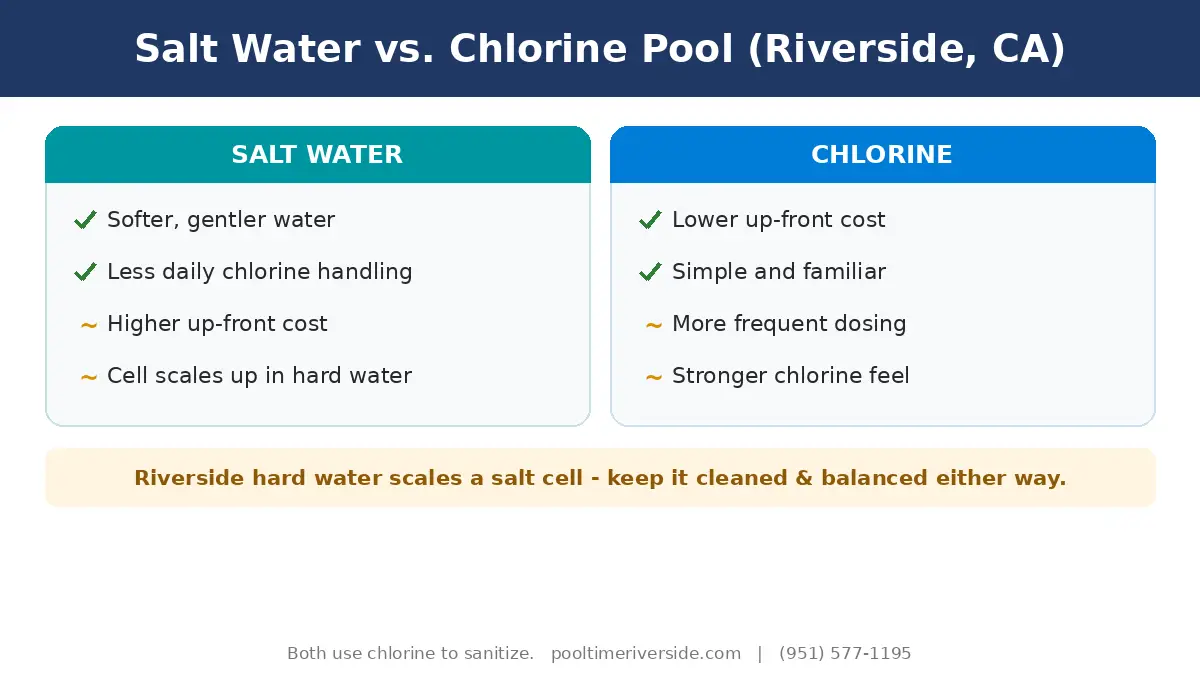
Quick answer: Both keep a pool clean and safe, so the “better” choice comes down to what you want. A salt water pool gives you softer-feeling water and a lot less day-to-day chlorine handling, but it costs more up front and, here in Riverside, the salt cell needs regular attention because our hard water scales it up. A traditional chlorine pool is cheaper to set up and simple to understand, but you or your service company are handling chlorine more often. Neither is wrong. It comes down to your budget, how hands-on you want to be, and how the system is cared for in our local water.
It is one of the most common questions we hear from Riverside homeowners, usually when a pool is being built, a chlorinator dies, or someone is just tired of hauling tablets. The honest answer is that both systems work well when they are set up and maintained right, but our Inland Empire water changes the math in ways a lot of online comparisons miss. Here is the real breakdown for a pool in Riverside.
First, a Myth to Clear Up: Salt Pools Still Use Chlorine
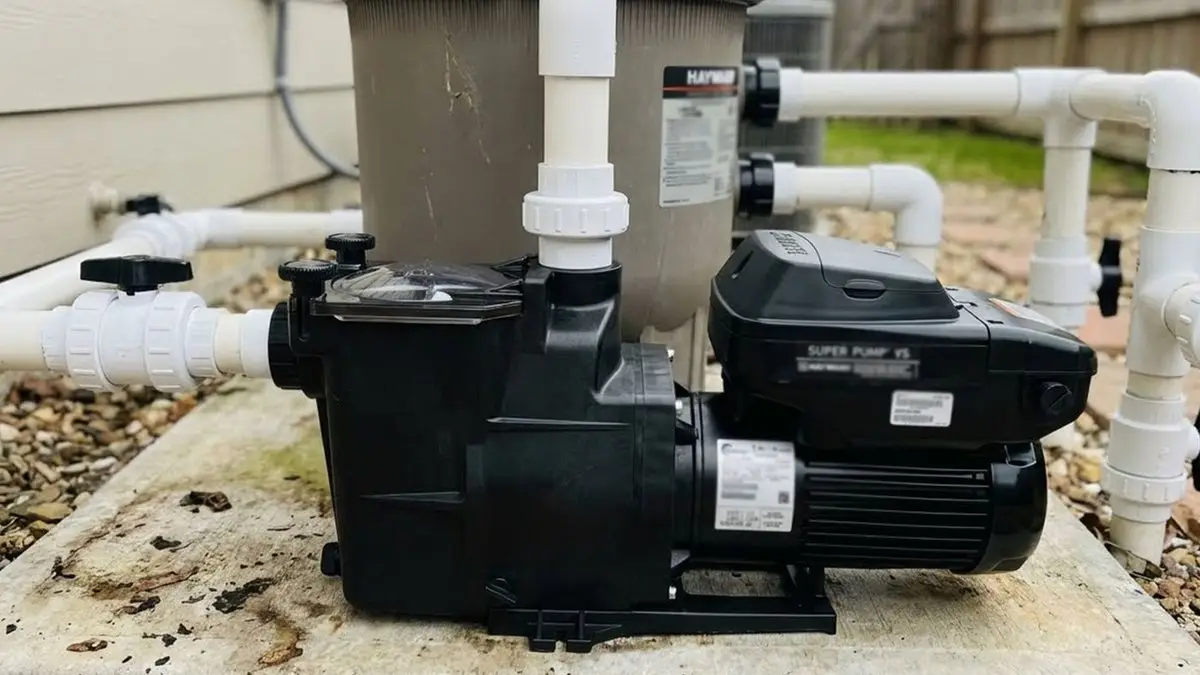
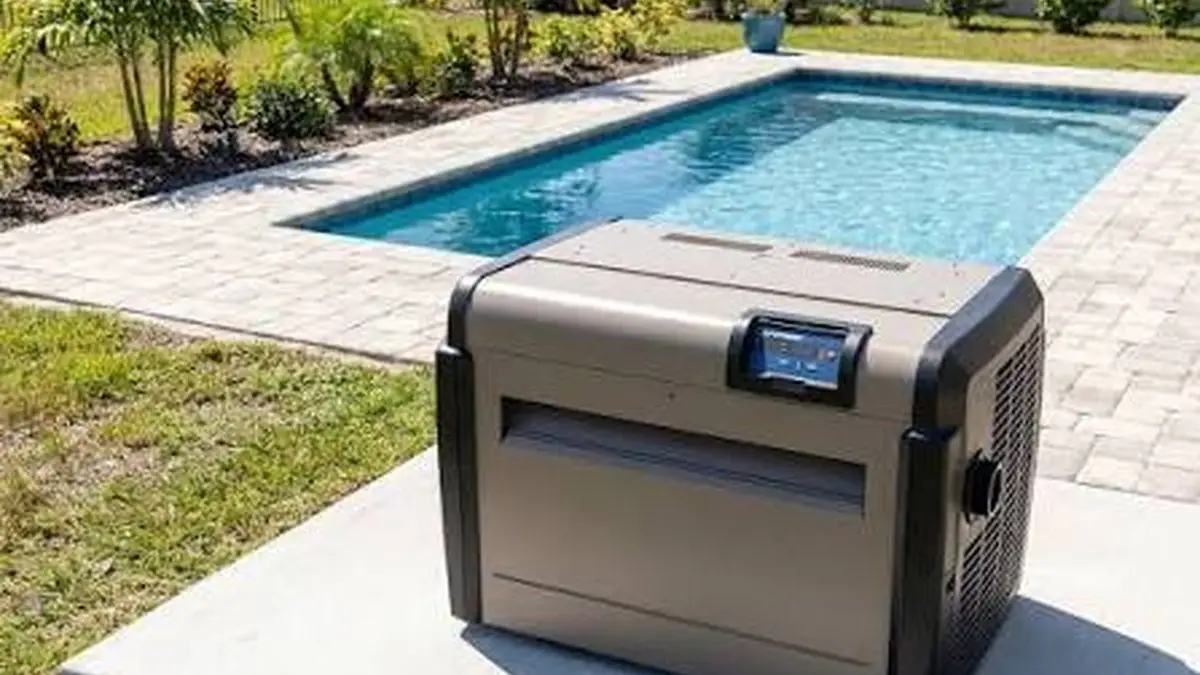
The biggest misunderstanding about salt water pools is that they are chlorine-free. They are not. A salt water pool still sanitizes with chlorine. The difference is where the chlorine comes from. Instead of you adding tablets or liquid, a device called a salt cell, or chlorine generator, passes the salty water over charged plates and makes chlorine on the spot, continuously, from the salt already dissolved in the pool. The salt gets recycled in the process, so you are not constantly adding it.
That is the whole appeal. You get steady, automatically generated chlorine instead of the peaks and valleys of hand-dosing, and the water feels softer and gentler on skin and eyes because the salt level is low and the chlorine is mild and consistent. You end up with the same clean water, just produced a different way. Understanding that one point makes the rest of the comparison a lot clearer.
Salt Water Pool: Pros and Cons
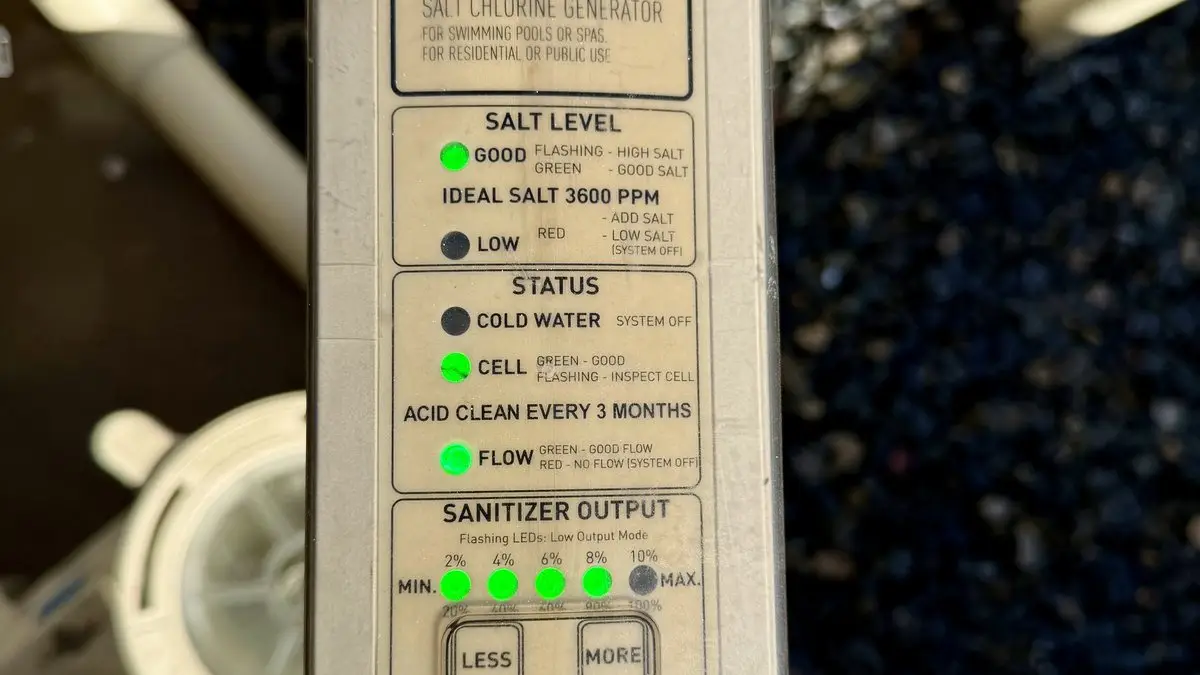
On the plus side, a salt water pool is genuinely nicer to swim in for most people. The water feels silky, there is no harsh chlorine smell, and it is easier on eyes, skin, and swimsuits. Day to day it is lower effort, since the salt cell makes chlorine for you and you are not storing or handling tablets and liquid as often. Many owners also like that they can dial the system in and mostly leave it alone.
The trade-offs are real, though, especially here. A salt system costs more up front, both for the equipment and the install. The salt cell is a wear part that eventually needs replacing, usually every several years, and it is not cheap. And this is the Riverside catch: our hard water loves to scale up a salt cell. Calcium builds on the cell plates, drops its output, and shortens its life if the cell is not cleaned and the water is not kept balanced. Salt can also be tougher on some older equipment and certain stone or metal surfaces over time. None of this is a dealbreaker, but it does mean a salt pool in Riverside needs a knowing hand, not a set-and-forget mindset. Our salt system service covers exactly that: install, cell maintenance, and keeping the chemistry right so the cell lasts.
Traditional Chlorine Pool: Pros and Cons
A traditional chlorine pool has its own strong case. It is cheaper to get started because there is no salt cell or generator to buy and install. The system is simple and well understood, parts are inexpensive and everywhere, and there is no expensive cell to replace down the road. When something needs adjusting, it is straightforward.
The downsides are mostly about effort and feel. Someone has to add chlorine regularly, whether that is you with tablets and the occasional shock, or your service company on a weekly visit. The water can smell more strongly of chlorine and feel harsher on eyes and skin, particularly if the chemistry drifts. And hand-dosing tends to swing between too much and too little unless it is watched closely, which in our heat can mean a green surprise if a week gets skipped. For a lot of Riverside homeowners, a chlorine pool paired with steady weekly pool service is a perfectly good, budget-friendly answer, because the pro keeps the chlorine steady so you never think about it.
Salt vs. Chlorine at a Glance
Here is the quick side-by-side for a Riverside pool.
| Factor | Salt water pool | Chlorine pool |
|---|---|---|
| Up-front cost | Higher (cell + install) | Lower |
| Day-to-day effort | Lower, mostly automatic | Higher, regular dosing |
| Water feel | Softer, gentler, low odor | Stronger chlorine feel and smell |
| Ongoing cost | Salt cell replacement every few years | Ongoing chlorine purchases |
| Hard-water impact (Riverside) | Cell scales up, needs cleaning | Scale affects surfaces and equipment, not a cell |
| Best for | Comfort-focused, hands-off owners | Budget-focused or simple setups |
The Riverside Hard-Water Factor
This is the part most salt-versus-chlorine articles skip, and it matters more here than almost anywhere. Riverside has hard water, full of calcium and minerals. In a salt pool, that hardness plates onto the salt cell as scale, which reduces how much chlorine it can make and slowly kills the cell if it is ignored. The fix is not complicated, but it has to happen: keep the calcium hardness and pH balanced so scale does not form, and clean the cell on a schedule so it stays efficient.
Hard water is tough on chlorine pools too, just in a different way. Instead of a salt cell, the scale shows up on your tile, your plaster, and inside your heater. That is why our tile cleaning and acid wash services stay busy year round. The takeaway is simple: whichever system you run, hard water is the local villain, and consistent, knowledgeable care is what keeps it from turning into an expensive repair. A salt pool just moves the hard-water battle to the cell, where a little routine maintenance goes a long way.
Which Should You Choose for Your Riverside Pool?
If comfort is your priority and you do not mind a higher up-front cost and staying on top of cell maintenance, salt water is a lovely way to own a pool, and the soft water is genuinely nicer for families who swim a lot. If you want the lowest cost to get going and the simplest system, or you are happy letting a service handle the chlorine, a traditional chlorine pool is the practical pick. Many Riverside homeowners are perfectly happy with either once it is set up correctly and maintained.
The one thing we would steer you away from is going salt without a plan for the cell in our water, or running either system with chemistry that drifts. That is where the regret and the repair bills come from. Whatever you choose, pairing it with steady service and the option of pool automation to manage it from your phone takes almost all of the work out of the decision.
Thinking About Converting to Salt in Riverside?
Converting an existing chlorine pool to salt is very doable, and it is one of our more popular upgrades. It involves adding a salt cell and control system, adding salt to the water, and dialing everything in for your pool’s size. The important part in Riverside is setting it up with the hard water in mind and putting the cell on a maintenance rhythm from day one so you get the soft-water benefits without the scale headaches.
At Pool Time, we install and maintain salt systems and service traditional chlorine pools all across Riverside and the surrounding communities, so we can give you a straight, no-pressure recommendation for your specific pool and budget. Have a look at our pool services or our Riverside pool service page to learn more.
Get your free salt water conversion quote → or call (951) 577-1195.
Salt Water vs. Chlorine FAQs (Riverside, CA)
Is a salt water pool better than chlorine?
Neither is simply better. A salt water pool feels softer and needs less day-to-day chlorine handling, while a chlorine pool costs less up front and is simpler. In Riverside, the deciding factor is often how the system is maintained, since our hard water scales up a salt cell and needs consistent care either way. The right pick depends on your budget and how hands-on you want to be.
Does a salt water pool actually use chlorine?
Yes. A salt pool is not chlorine-free. A salt cell generates chlorine from the salt in the water automatically, so you get steady sanitizing without adding tablets or liquid by hand. It is the same chlorine, just produced on site instead of poured in.
Is salt water hard on pool equipment in Riverside?
The bigger issue here is our hard water, not the salt itself. Calcium scale builds up on the salt cell and reduces its output if it is not cleaned and the water is not balanced. Salt can also be tougher on some older equipment and certain stone surfaces over time. With regular cell cleaning and balanced chemistry, a salt system holds up well.
How much does it cost to convert a pool to salt water?
It depends on your pool size and the equipment you choose, since the main costs are the salt cell and control system plus the install and the initial salt. The bigger long-term number to plan for is replacing the cell every several years. We will quote your specific pool so you know both the up-front and the ongoing cost before you decide.
How long does a salt cell last in Riverside’s hard water?
A salt cell typically lasts several years, but hard water can cut that short if the cell scales up and is not cleaned. Keeping the calcium hardness and pH in range and cleaning the cell on schedule is what gets you the full life out of it. This is exactly the kind of upkeep a local service should be doing for you.
Can you convert my chlorine pool to salt water?
Yes, it is a common upgrade and very doable. We add the salt cell and control system, add salt to the water, and set everything for your pool, with the hard water factored in from the start. Call (951) 577-1195 or request a free quote and we will walk you through it.